


A happy, nurturing environment is essential to a pleasant educational experience. But when your child is frustrated and dragging her feet, no one is learning … and no one is happy! Thankfully, there are several things you can do to encourage an upbeat and motivating atmosphere for reading and spelling lessons. These nine tips will help you keep your child’s reading and spelling lessons motivating—starting today!
-
Work at your child’s level

It’s important to select the appropriate level of reading or spelling instruction for your child. If you start at a level that is above your child’s head, he’ll start out feeling as if he’s already behind, which can promote feelings of inadequacy and stress caused by your child’s inability to perform up to the level expected. Try to avoid focusing on grade level—in fact, let go of grade levels. If your child needs to learn the rules for adding Silent E, go back to that lesson, no matter what “grade” he’s in.
-
Set small, attainable goals
Part of setting up your child for success is providing opportunities for frequent success. It is very motivating to reach a goal, and small successes will lead to more successes. For example, in AAR and AAS we teach just ONE concept at a time, allowing the child to be successful before moving on to the next concept.
-
Set your child up for success

Don’t even think about sitting down for a reading or spelling lesson if your child is cranky, hungry, or full of pent-up energy! Go for a brisk walk around the block or send the kids outside for a 10-minute recess. Have a high-protein snack to keep the brain energy up, and get the good endorphins working in your child’s favor. Starting lessons on the right foot will help your child be more receptive to learning—and enjoying!—the new material.
-
Keep things fun
Make lesson times fun and engaging. All About Reading and All About Spelling were written with this in mind. Both programs use hands-on activities that are way more fun than the typical boring worksheets found in many programs. But these multisensory activities aren’t just fun—they will also help your child learn and retain the skills and concepts presented in the lessons. It’s fun with a purpose!
-
Correct mistakes in a helpful, instructive way
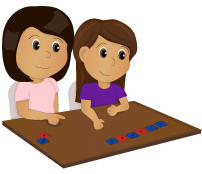
Tailor your responses to your child’s specific errors. For example, if your child misspells a word that you feel he should have been able to spell, ask him to self-check his spelling to see if he can spot the mistake on his own. Or if your child reads a word with incorrect pronunciation, remind your child to “pronounce for spelling.” Review any skill or concept that is applicable to the situation or try working out the problem together with letter tiles.
-
Use charts to show progress

It’s motivating to see where you’ve been and how much progress you and your child have made together. Take the time to track your advancement on the All About Reading and All About Spelling Progress Charts and celebrate each accomplishment accordingly. Make cupcakes, go to the beach, or visit Grandma—small celebrations can commemorate the occasion and provide incentive and excitement for future lessons.
-
Avoid negative comments
As motivating as the progress chart can be, you can just as quickly put a damper on your child’s enthusiasm by making negative comments during lesson time. Take steps to minimize negativity, and avoid expressing your own frustration or impatience with your child. Stay away from phrases such as:
“You’re not trying.”
“I’ve already taught this to you!”
“I don’t think you’ll ever get this!”
“Just concentrate.”These types of negative comments are never effective. No child ever thinks to himself, “Oh, you’re right. I will improve my concentration right now.” Instead, these phrases build frustration and resentment toward the lesson, and part of your child’s brain shuts down. Give a hug, take a break, and come back to the lesson later when both of you are ready to approach the lesson with a fresh perspective and your customary enthusiasm.
-
Point out the positive

A friendly, supportive teacher draws frequent attention to a child’s achievements, and doesn’t become bogged down in perpetually pointing out the child’s shortcomings or mistakes. Make it a point to regularly praise your child’s good work and progress, which will build your child’s confidence and encourage him to strive for further success. During your spelling lessons, include positive phrases such as:
“Very good! You are a quick learner!”
“You remembered that from yesterday—great!”
“Way to go!”
“Excellent—you did so well!”
“You are doing great!”Our blog post on encouraging words gives many more examples and includes a free downloadable poster as a reminder.
-
Always end a lesson on a positive note
If your child is struggling with a concept, don’t end the lesson at the point of frustration. Back up to a point where the student can be successful, then spend a few minutes there before bringing the lesson to a close.
The way you approach reading and spelling lessons can have a huge effect on your child’s motivation. When you use the All About Reading and All About Spelling programs, tips for building motivation are built right into the lesson plans, making it easy for your kids to stay on track, stay motivated, and stay enthused about learning.
Do you have a tip for keeping reading and spelling lessons motivating? Please share it in the comments below!


Comments
No comments yet. Our team reads and replies to every one.