


Kinesthetic activities (also known as hands-on activities) are fantastic for teaching reading and spelling. The term kinesthetic refers to touching, doing, experiencing, or being physically active. The kinesthetic pathway is one of the three main pathways to the brain.
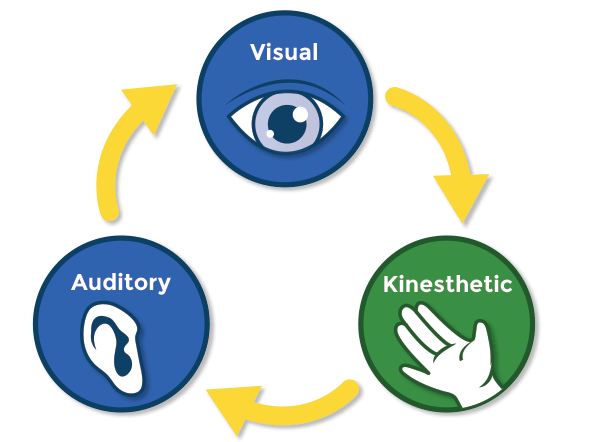
When children are taught using all three pathways to the brain, they learn even more than when they are taught through just one pathway1. The more senses we involve, the more learning occurs–and you’ll maximize long-term retention of the information. And a great side benefit is that kinesthetic learning activities are usually lots of fun.
Free Kinesthetic Activities to Try with Your Kids
- If your child reverses letters when she writes, download our free e-book “How to Solve Letter Reversals” for a hands-on solution.
- Ready to teach contractions? It’s easy when you have the right kinesthetic lesson plan! Visit this blog post for lots of hands-on tips.
- Use the three free activity downloads in The Essential Guide to Teaching Compound Words to help your child practice this important skill.
- “Swatting Phonograms” is a fantastic hands-on activity your child will love! It’s fast-paced, fun, and engaging–the perfect way for your child to review phonograms!
- If you haven’t tried using salt trays as a sensory writing exercise for your children, our blog post and activity Salt Trays for Writing Practice is for you!
- Fun Ways to Count Syllables is packed with great hands-on activities designed to help your child learn to count syllables!
- Our blog post Helping Kids Sound Out Words includes free printable step-by-step instructions for using our Blending Procedure for One-syllable and Multisyllabic Words.
- Ready to turn up the fun on review time? Incorporate one or more of these hands-on activities into your child’s daily reading and spelling lessons.
- Our tactile letter cards provide a great multisensory way for little ones to learn about the alphabet. The free download includes uppercase and lowercase letter templates, instructions, and tips for using your cards.
- Word Flippers are a super popular part of the All About Reading program. They are fun and motivating for kids and a simple-yet-effective tool for teachers.
- Activities that use letter tiles are some of the most effective activities for teaching reading and spelling. In fact, every lesson in All About Reading and All About Spelling includes letter tiles.
- Live near the beach? Trace letters, words, or phonograms in the sand. Is it winter? Go outside and stomp giant letters in the snow.
- For some ooey-gooey fun, fill a zip-top baggie with shaving cream, whipped cream, liquid soap, glue, or pudding. Seal the bag and have your child write letters or words on the bag.
- Spell words while jumping on a trampoline, bouncing a ball, or playing catch. Yell out one letter for every jump, bounce, or toss!
- Playing with the alphabet is a great way to encourage mastery of letters and sounds! Use playdough, pipe cleaners, or Wikki Stix to form letters and words.
- Write letters or words in each square of a hopscotch grid. Follow standard hopscotch rules, using beanbags, stones, or bottle caps for markers. When the child stoops to pick up his marker, he reads the letter or word in the square.
- Use a marker to write letters or words on a large beach ball. Have your child throw the ball in the air, catch it, and say the letters or words closest to his thumbs.
- Have a “snowball” fight using ping pong balls, Nerf balls, or crumpled paper. Write letters or words on index cards and tape them to the wall. As you call out letters or words, your child must find them and throw snowballs at them.
- Play hide and seek with words and sentences. Write them on pieces of paper and hide them around the room. When your child finds a piece of paper, he must read it before searching for the next one.
- Segmenting is a critical skill for spelling success. Visit our blog post and download a great segmenting activity to try with your child.

Kinesthetic Activities Are Fun—and the Possibilities Are Endless!
Do you have a favorite hands-on activity for teaching reading and spelling? Post in the comments below!
___________________________________
1Farkus, R.D. (2003). Effects of traditional versus learning-styles instructional methods on middle school students. The Journal of Educational Research, 97(1), 42-51.


Comments
No comments yet. Our team reads and replies to every one.