


When you teach reading and spelling, it’s a good idea to have a general overview of long vowel sounds. Let’s dive in!
A long vowel is a vowel that is pronounced the same as its name. For example, the word emu starts with the long E sound.
Seems pretty simple, right? But did you know that long vowel sounds can be spelled four different ways and that each way follows a specific spelling pattern?
The overview that follows will help you see the big picture about long vowel sounds as you teach reading and spelling. Read on to discover these useful patterns!
Four Ways to Form Long Vowel Sounds

A vowel at the end of a syllable can be long.
In the word we, as in We love emus, the vowel E is at the end of the syllable and says long E. In these words, the vowel at the end of a syllable is long: hero, hi, music.

Silent E can make the previous vowel long.
In the word cute, as in Emus are cute, the long U sound is formed by adding Silent E at the end of the word. Here are more words in which Silent E makes the previous vowel long: tape, shine, code.

Vowel teams can make long vowel sounds.
Vowel teams are two vowels that work together to make one sound. For example, in the word eat, as in Emus eat seeds, vowel team EA says long E. These words have vowel teams that make a long vowel sound: mail, sheep, soap.

I or O can be long when they come before two consonants.
In the word stroll, as in The emu went for a stroll, the letter O comes before two consonants and says its long vowel sound. In these words, I or O are long before two consonants: kind, gold, child.
So there you go—the four basic patterns for spelling long vowel sounds!
Let’s Dive in a Little Deeper
The chart below illustrates the most common ways to spell the long vowel sounds.

Click to Download a Printable Chart!
Seeing these spellings all gathered in one place is enlightening for those of us who are already proficient readers and spellers. But I would only recommend using the chart for reference, or with an older student who has already mastered most of these phonograms. I would not recommend overwhelming a beginning student by teaching these spellings all at once. Instead, teach these basic patterns to students incrementally, one at a time.
Activities to Teach Long Vowel Sounds
Are you interested in seeing how we teach the four long vowel patterns in All About Reading and All About Spelling? Here is a sampling for you to download and enjoy!

Download “Be a Hero” Activity
(Vowel at the end of a syllable)

Download “Kit or Kite?” Activity
(Silent E)

Download “Wake Up the Sheep” Activity
(Vowel Teams)

Download “Find Gold” Activity
(I and O are long before two consonants)
The Bottom Line for Teaching Long Vowel Sounds
When it comes to teaching long vowel sounds, here’s what you need to keep in mind:
- Long vowel sounds can be spelled four different ways, each following a specific pattern.
- Teach these basic patterns to students incrementally, one at a time.
- Keep it fun! Use a wide variety of interesting activities to help your student learn the four patterns for forming long vowel sounds.
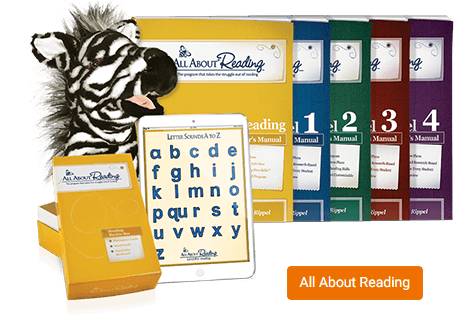
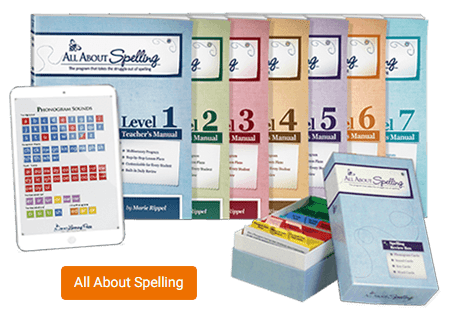
All About Reading and All About Spelling walk you and your student through all the steps needed to help your student learn to read and spell. The programs are multisensory, motivating, and complete with everything you need. And if you ever need a helping hand, we’re here for you.
What’s your take on teaching the long vowel sounds? Do you have anything else to share? Let me know in the comments below!
Looking for information on short vowels? Check out our Handy Guide to Short Vowel Sounds!


Comments
No comments yet. Our team reads and replies to every one.